

Technical information for selecting the right ball casters
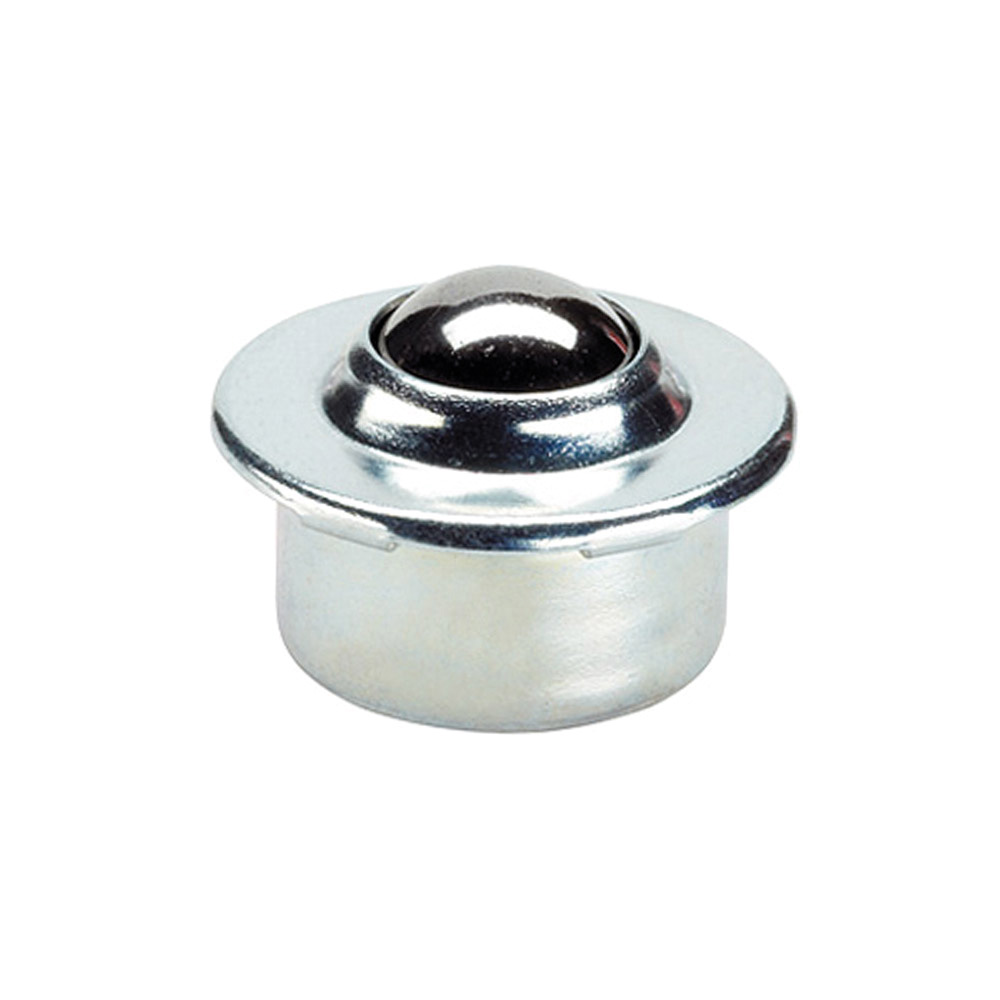
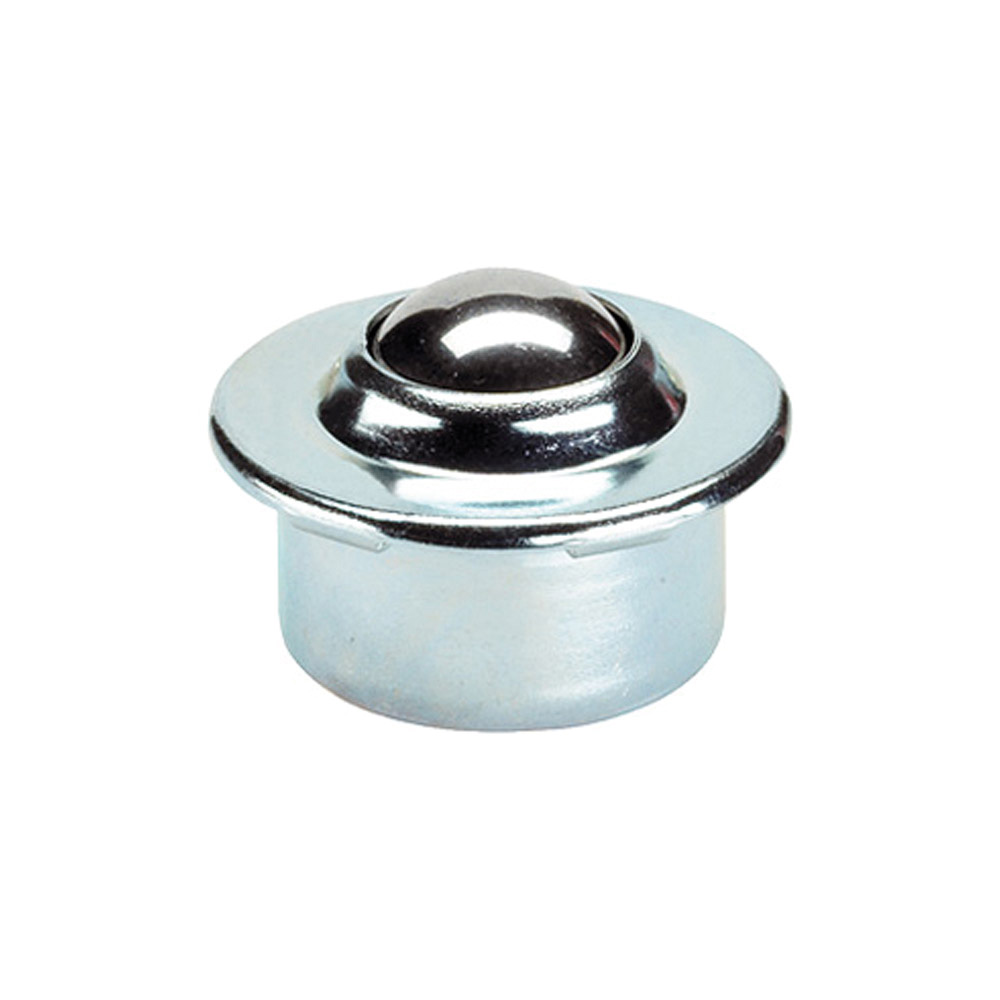
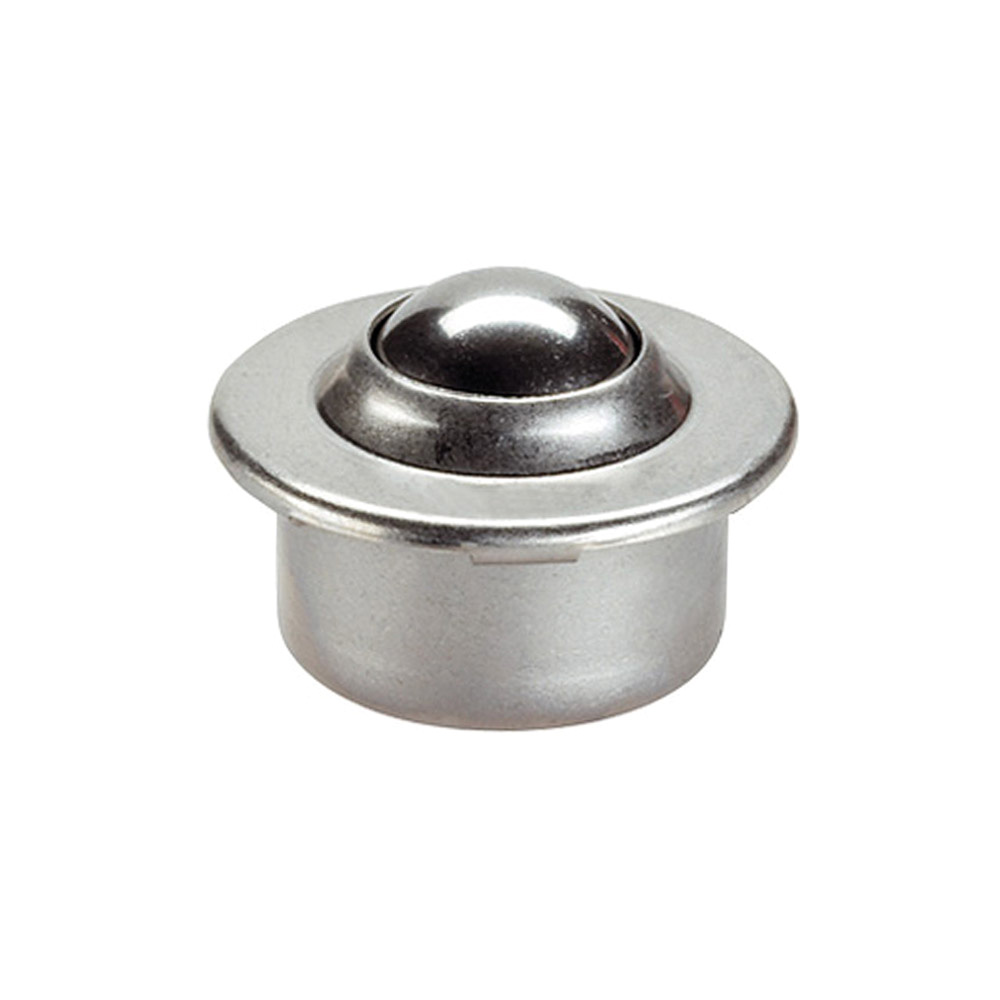
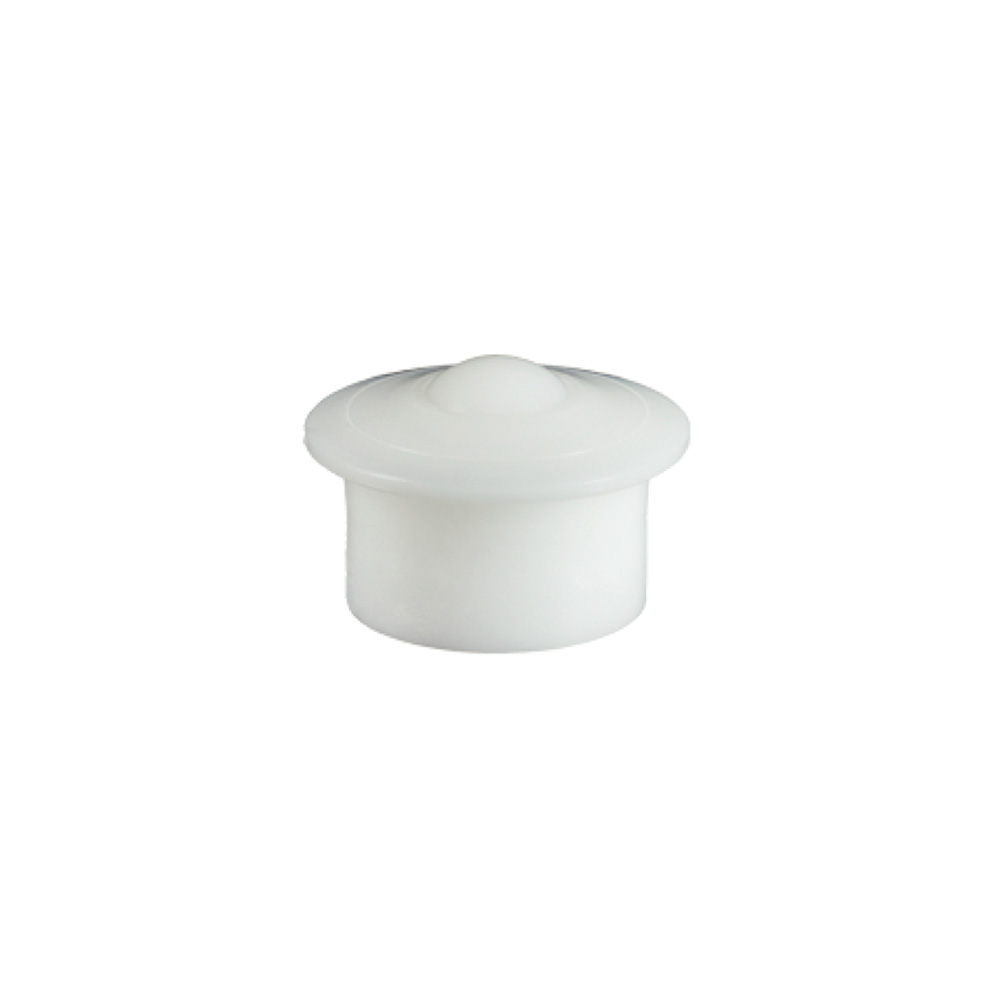
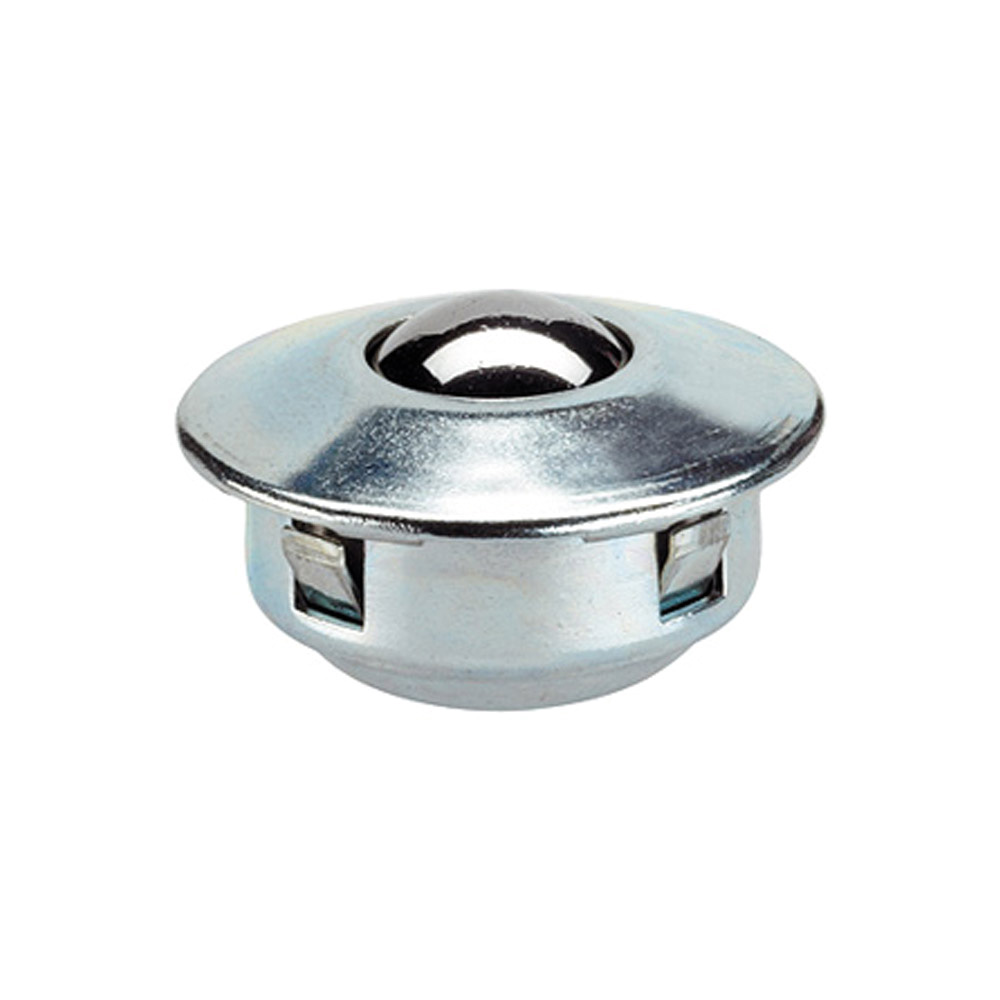
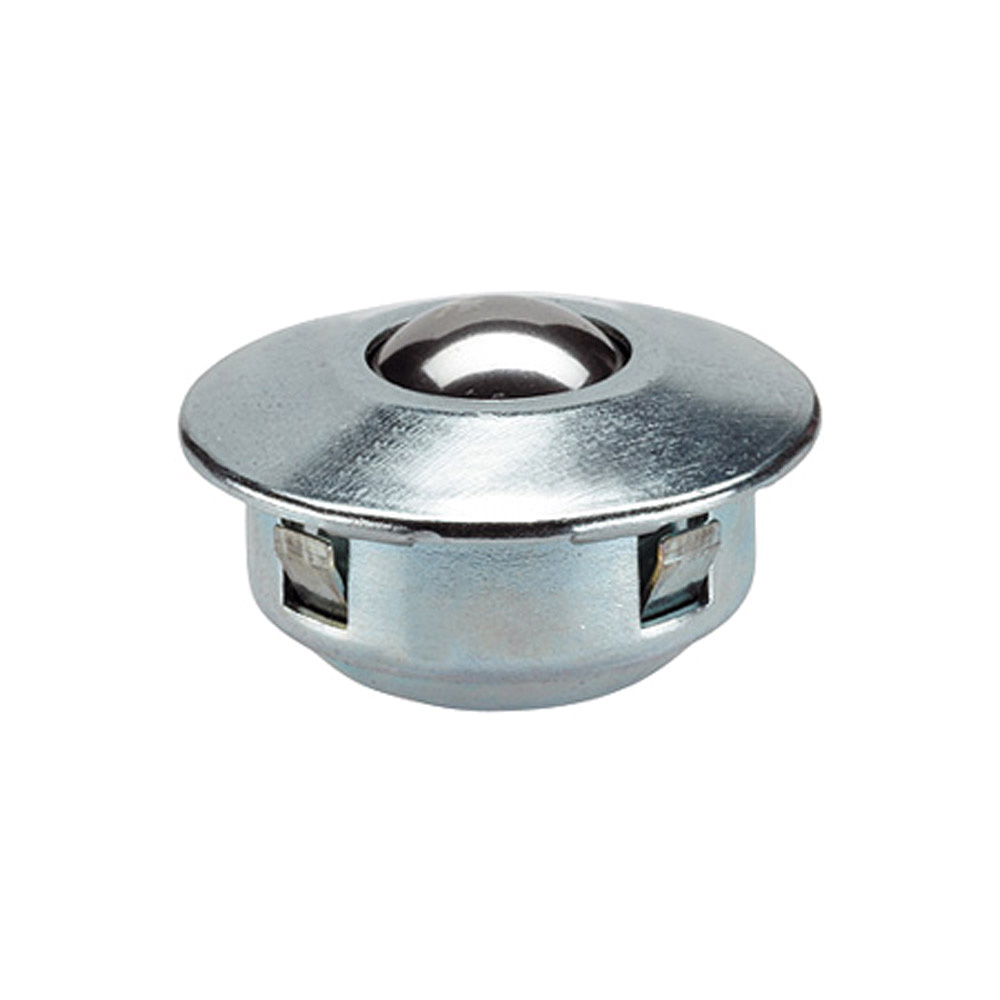
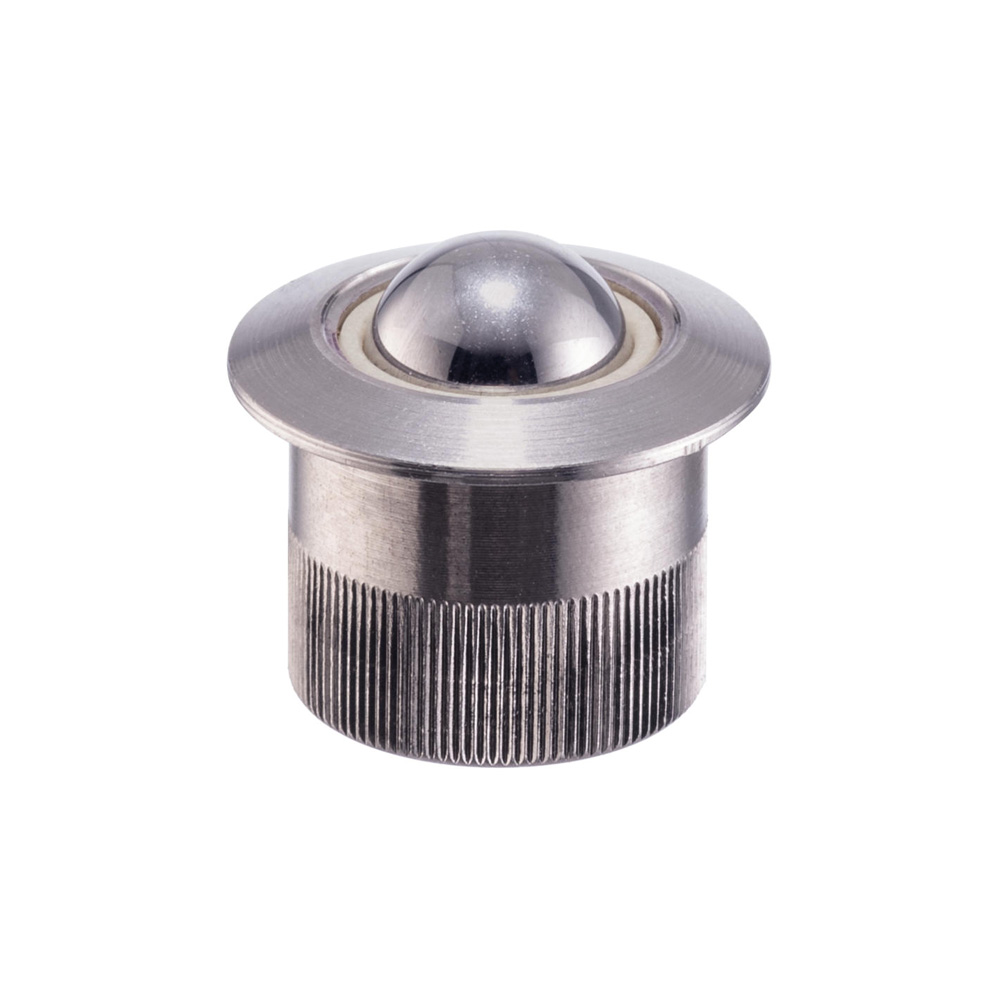
Many components in the BIBUS product range are used in everyday life without the user being aware of it. A good example of this is ball casters. Ball casters are elements with very low frictional resistance.
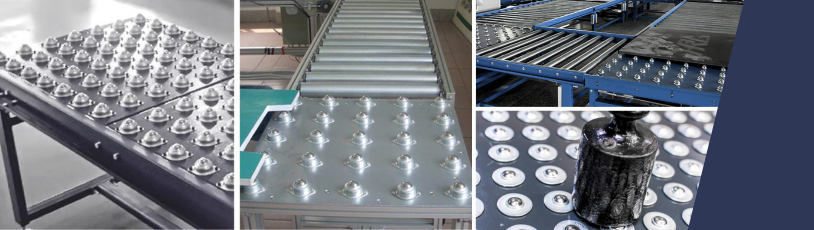
They are mainly used as building blocks in conveyor systems, feeding units and processing and packaging devices with which piece goods can be easily moved, rotated and steered. Ball casters are very flexible and reliable and therefore indispensable in today's internal conveying technology.
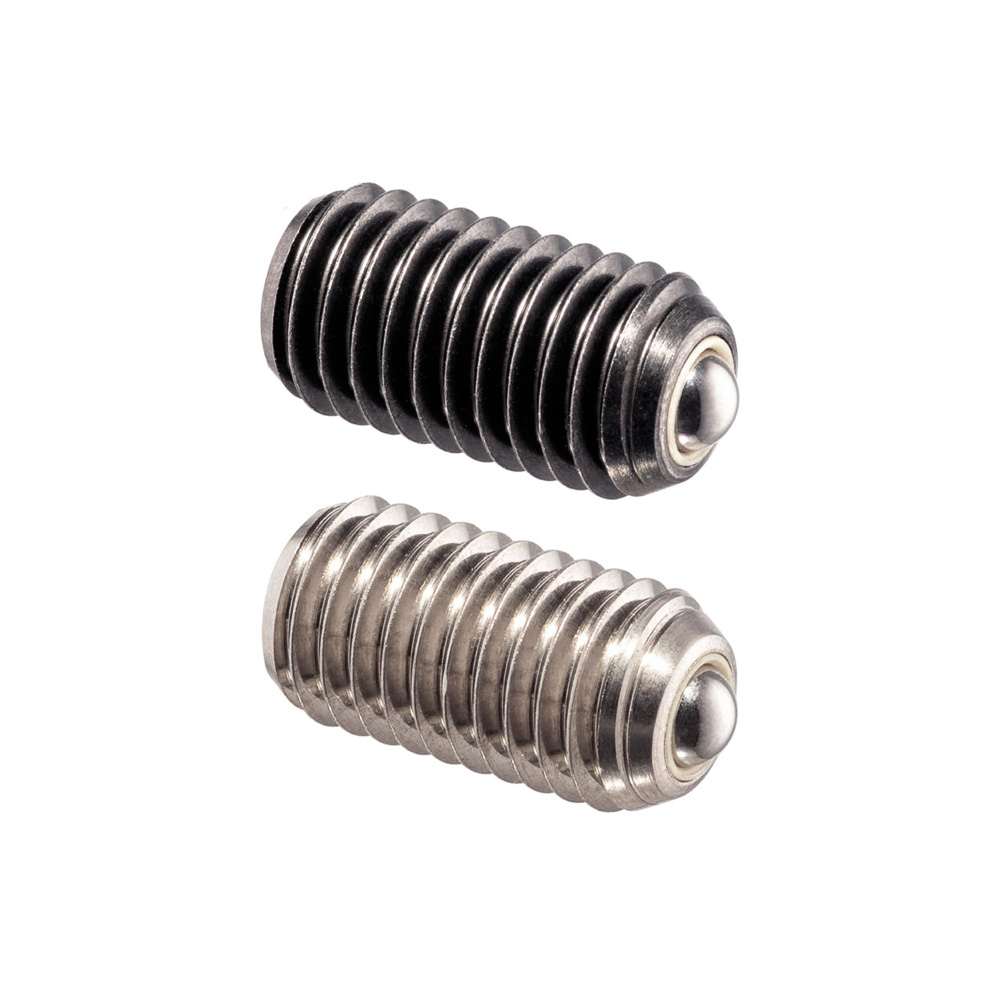
BIBUS' web shop contains a wide range of ball casters. These are available in different sizes and materials. This article was written to help you select the right ball casters for your application.
Placement of ball casters
Proper placement of ball casters is essential for trouble-free operation. The placement of the ball casters is determined by the ground surface of the goods being transported. For goods with a homogeneous, smooth ground plane, such as crates, the distance between ball casters is calculated by dividing the length of shortest side by 2.5. In the example below, we assume a ground plane of 500 x 1000 mm. “a” is the distance between the ball casters.
Distance ball casters
Transport speed and carrying number of ball casters
The permissible conveying speed of ball casters is 2 m/s. The specified load ratings apply to all installation positions and are related to 106 revolutions of the ball. With prolonged use at speeds above 1 m/s, depending on the load, an increase in temperature and reduction in service life must be taken into account. This applies in particular to the type BF01. The following example shows a calculation of the service life:
L= lifetime
C = Bearing number (N)
F = Load (N)
Determining the load on the ball casters
When selecting the right ball casters for your application, it is important to calculate the final load correctly. To calculate the load on one ball jar, the weight of the product being transported is divided by three.
If the height tolerance of the loading balls is good and the surface of the workpiece being transported is suitable, the calculation can be based on the number of ball-transfer units under load.
In the following example, the weight of the product is 300 kg. This load is passed on for the Ball casters.
Load ball casters
Temperature resistance of ball casters
The temperature resistance for ball casters with a felt seal is 100 °C. At temperatures above 100 °C, only non-galvanized ball casters with steel ball, without felt seal, can be used. Consider reduction of the bearing number. To do this, multiply the load rating by the temperature factor from the table below.
| Temperature (°C) | Temperature factor (fT) |
|---|---|
| 125 | 0,9 |
| 150 | 0,8 |
| 175 | 0,7 |
| 200 | 0,5 |
Friction value of ball casters

The diagram shows the friction value of the ball casters with respect to load and speed.
These guide values apply to all installation positions when transporting a hardened steel plate.
Advice for the selection of ball casters
BIBUS specialists are ready to provide you with advice tailored to your application. This will ensure you select the right ball casters for your application. For more information, contact BIBUS or order directly from the ball casters range.