


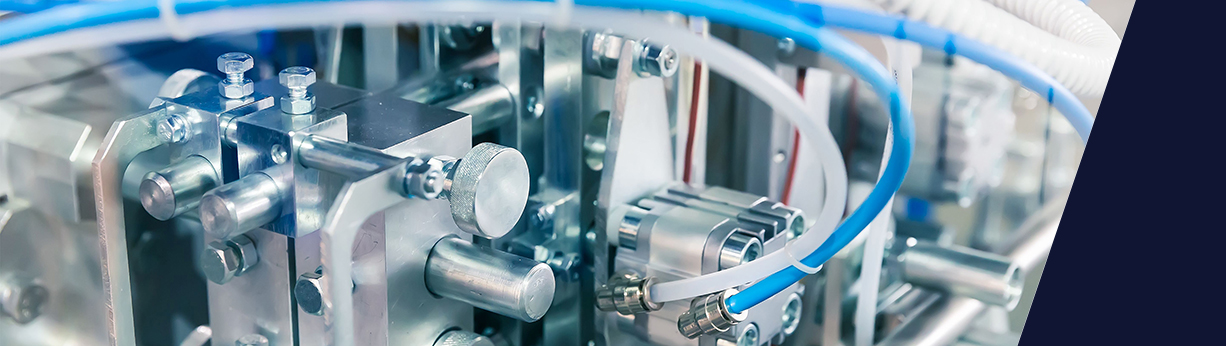
Pneumatic technology uses compressed air to power machines, actuators, and tools. It is one of the most versatile and widely used methods in modern industry. From factory automation to material handling, packaging, and marine applications, pneumatics offers reliable motion and control with minimal complexity. In this blog, we explore what pneumatic technology is, its advantages and disadvantages, key components, and essential safety features.
What Is Pneumatic Technology?
Pneumatic systems use compressed air or gas to transmit energy and perform mechanical work.
Instead of electricity or hydraulics, these systems rely on pressurized air to drive:
- Cylinders and actuators
- Valves
- Tools (grinders, drills, screwdrivers)
- Conveyors and pick-and-place systems Compressed air is stored in tanks, regulated, and delivered through tubing, valves, and control units to perform tasks.
When Do You Choose Pneumatic Technology?
Pneumatics is ideal in applications where:
Simplicity and Reliability Are Key Pneumatic systems have fewer moving parts than hydraulics or electrical motors, reducing maintenance needs.
Fast, Repetitive Motion Is Required Air cylinders and actuators are excellent for high-speed, repetitive tasks like packaging, assembly, or clamping.
Clean and Safe Operation Is Needed Pneumatics is often preferred in food, pharmaceutical, or chemical industries, where hydraulic fluids or electrical sparks could pose contamination or fire hazards.
Extreme or Harsh Environments Pneumatics can work safely in wet, dusty, or explosive atmospheres where electricity or sensitive electronics might fail.
Advantages of Pneumatic Technology
Safety: Compressed air is non-flammable and reduces electrical hazards in explosive environments.
Clean Operation: No hydraulic fluids, no messy leaks, and minimal contamination risk. • Simplicity: Pneumatic circuits are often easier to design, install, and maintain.
High-Speed Operation: Quick response times for actuators and cylinders.
Lightweight and Flexible: Tubing is lighter than hydraulic piping; systems are easier to reconfigure.
Cost-Effective: Lower initial and maintenance costs compared to hydraulic or electric systems in many applications. Disadvantages of Pneumatic Technology
Limited Force: Pneumatic actuators typically cannot generate as much force as hydraulic systems.
Energy Efficiency: Compressing air consumes energy, and leaks reduce efficiency.
Noise: Exhaust air can be loud if not properly silenced.
Control Precision: Pneumatic systems are less precise than electric or servo-driven solutions.
Dependence on Compressed Air: A reliable compressor and distribution network are essential.
Key Components of Pneumatic Systems
A typical pneumatic system includes:
Compressor – Generates compressed air from ambient air.
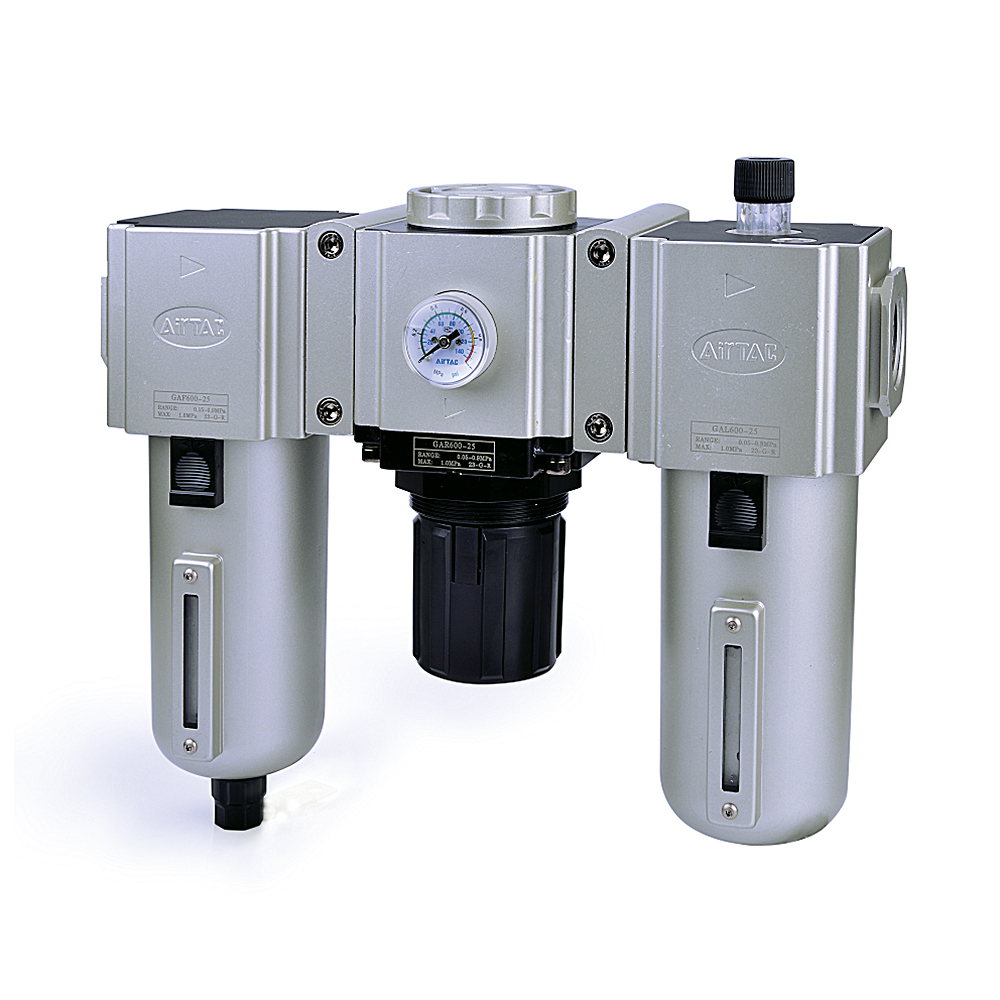
Air Treatment Units – Filters, regulators, and lubricators (FRL) to clean, control, and lubricate air.
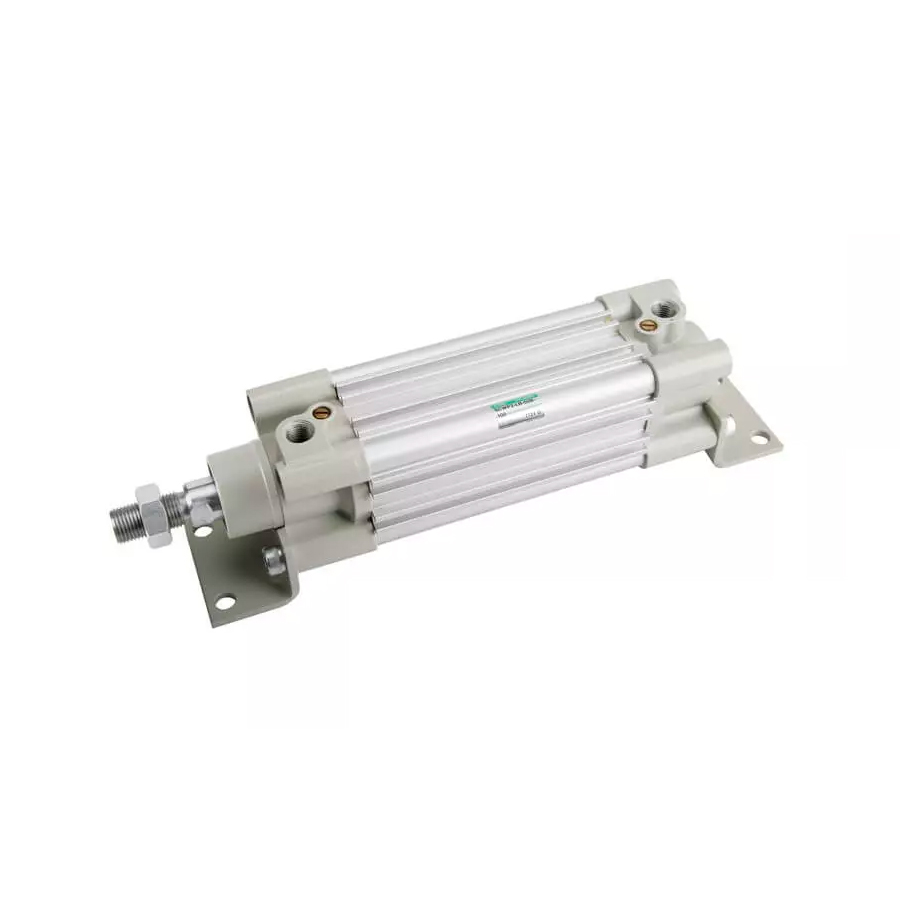
Actuators – Cylinders or rotary devices that perform mechanical motion.
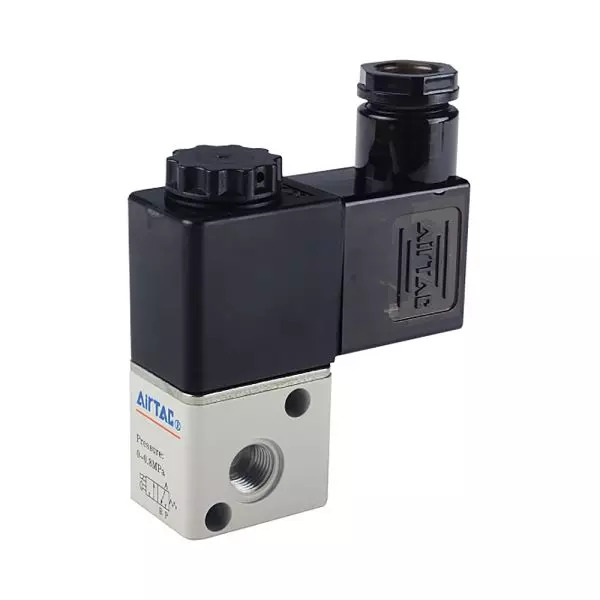
Valves – Control airflow direction, pressure, and timing.
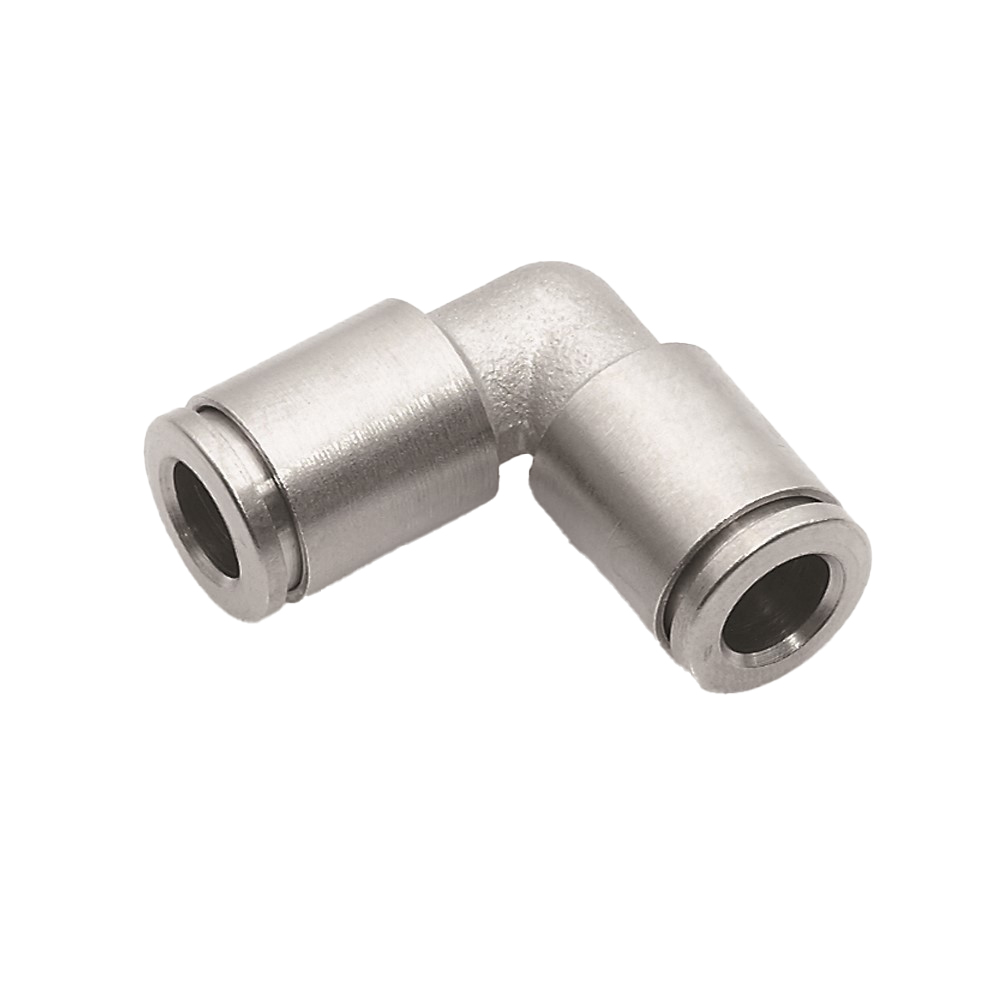
Tubing and Fittings – Distribute compressed air safely and efficiently.
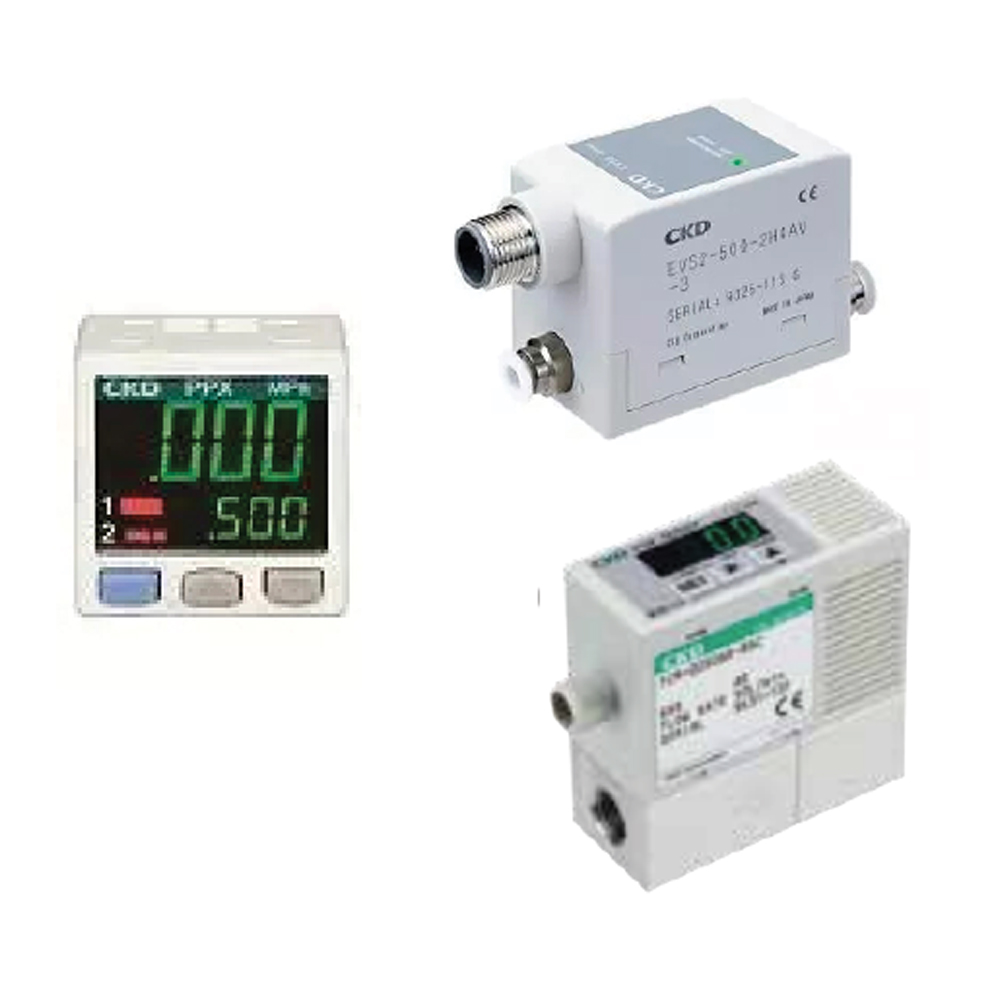
Sensors and Controllers – Monitor system pressure, position, and performance.
Safety Features in Pneumatic Systems
Safety is critical in any pneumatic installation. Key safety measures include:
Pressure Relief Valves – Prevent over-pressurization.
Emergency Shutoff Valves – Stop air supply instantly during malfunctions.
Lockout/Tagout – Isolate systems during maintenance.
Air Dryers and Filters – Remove moisture and particles to prevent corrosion or blockages.
Soft Start / Slow Down Devices – Prevent sudden, dangerous movements.
Compliance with Standards – ISO, CE, and ATEX (in explosive environments).
Pneumatic technology is a versatile, safe, and reliable choice for many industrial applications. It excels in environments where speed, simplicity, and safety are priorities, though it has limits in force, precision, and energy efficiency. By selecting the right components together with the help of Bibus experts all pneumatic systems can deliver long-term performance with minimal downtime. pneumatics offers a proven solution for efficient, safe, and flexible operation.