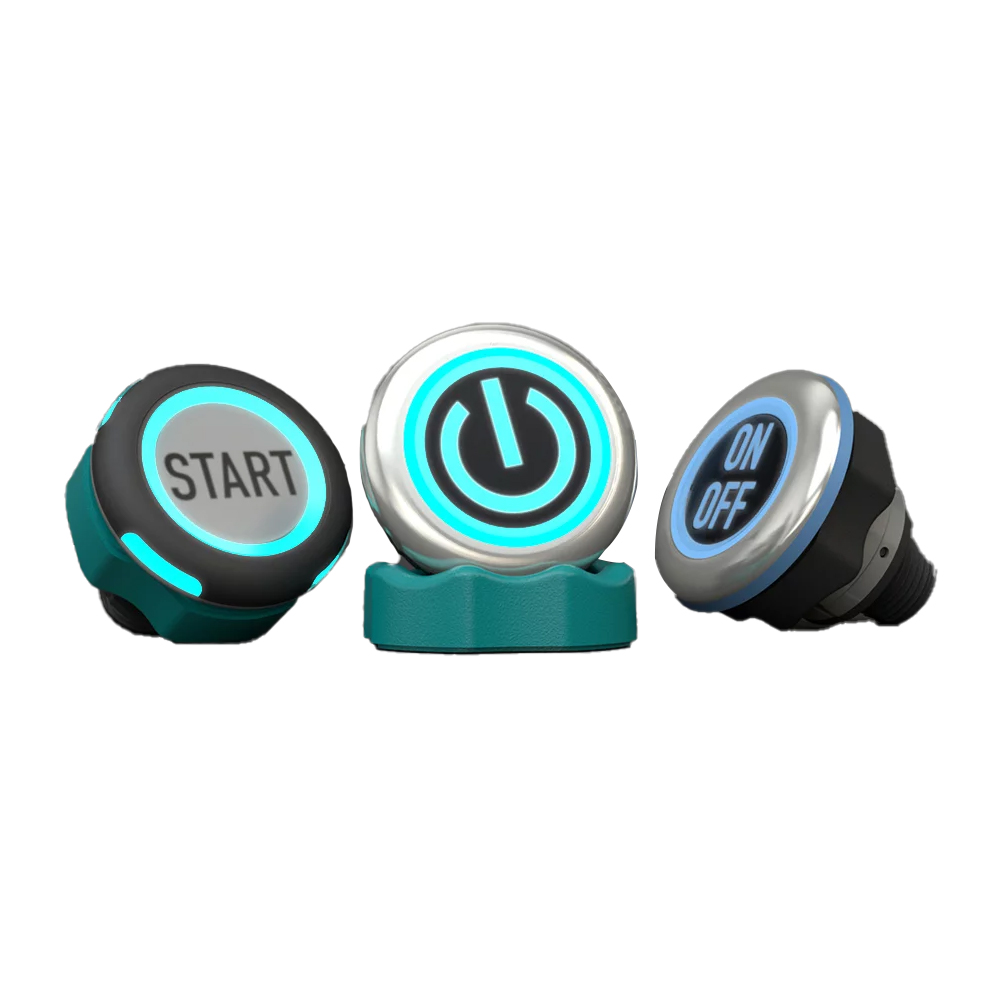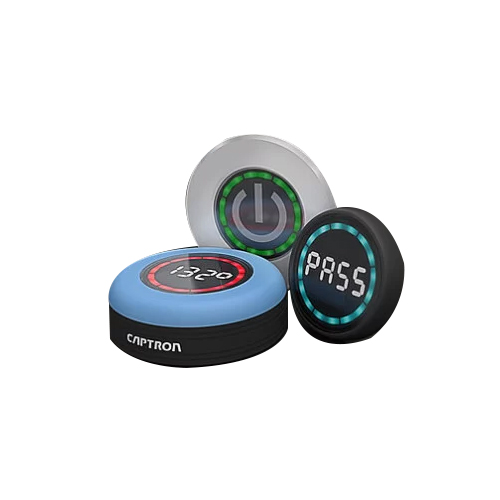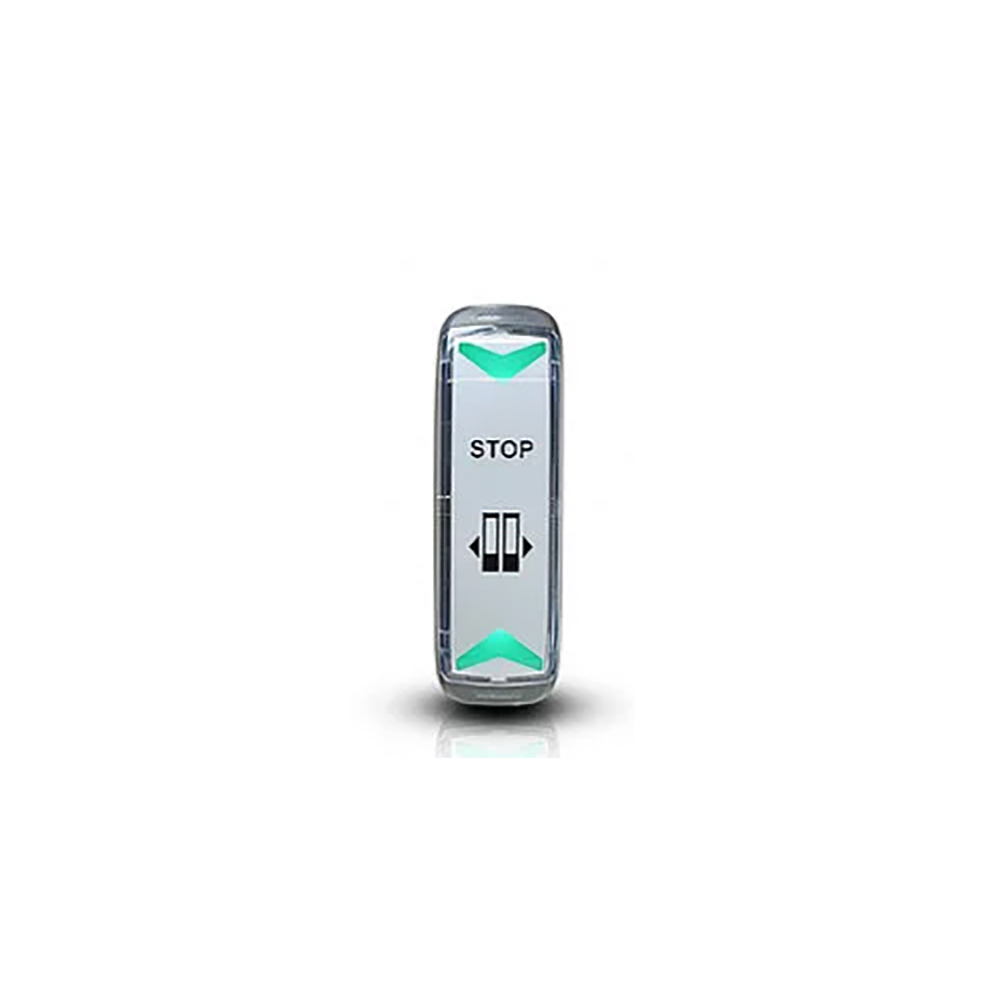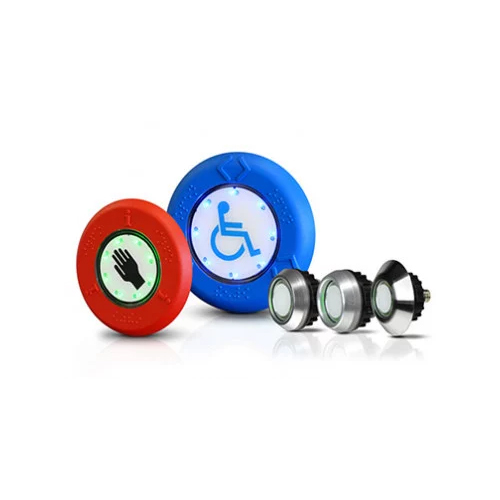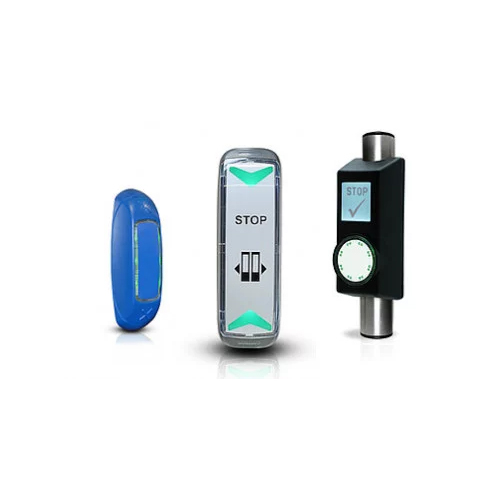


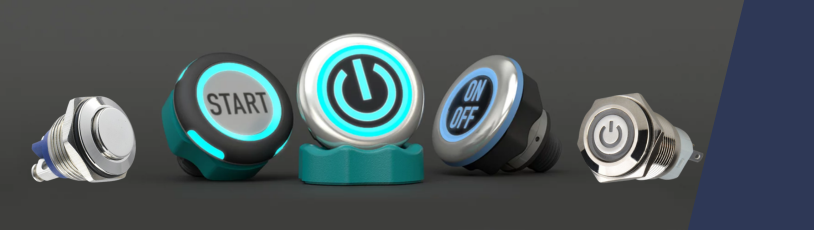
At BIBUS, we are frequently asked what the difference is between a capacitive switch and a push button. A capacitive switch operates on touch and detects conduction, while a standard push button is mechanically operated.
What is a push button?
A push button is a mechanical switch that is activated by pressing it. When you press the button, it makes or breaks an electrical contact, which activates or deactivates a particular device or system. Once the pressure is released, the button usually returns to its original position, often by means of a spring mechanism.
How does a push button work?
-
Internal components: a push button contains a mechanism that closes or opens an electrical circuit when the button is pressed.
-
Action: the button activates an electrical signal, which can control a motor, lamp or circuit, for example.
What are advantages of push buttons?
-
Widely applicable: suitable for various applications, from toys to industrial machinery.
Where can I apply push buttons?
-
Consumer electronics: for example, the on/off button on a remote control.
-
Industrial machines: for emergency stop or control functions.
-
Vehicles: start buttons and dashboard controls.
-
Household appliances: think microwave oven or dishwasher controls.
What is a capacitive switch?
A capacitive button is a type of switch or control button that works on the basis of capacitive sensing. Instead of physical pressure or mechanical motion, a capacitive button detects the presence of a finger or other object by changes in the electric field on its surface.
How does a capacitive switch work?
-
A capacitive button uses a capacitance sensor.
-
When a finger touches the surface of the button, the electrical capacitance at that location changes.
-
This change is detected by electronics in the button, which translates it into an action, such as turning a device on or off.
What are advantages of capacitive switches?
-
Freely programmable function: the capacitive switches are freely programmable, and configurable for any conceivable switching function: toggle, push to start,press switch. They can also be used with any electrical or digital interface, such as PC, PLC, analog voltage and digital signal.
-
Longevity: because capacitive buttons have no moving parts makes them more durable and less susceptible to wear and tear.
-
Hygienic: because they often have a smooth, seamless surface, they are more hygienic and easier to clean.
-
Freedom of design: the slim bow shape allows capacitive buttons to be incorporated into stylish and minimalist designs, such as glass or plastic panels.
-
Waterproof: often more resistant to moisture and dust because they have no openings or crevices.
-
Vandal-resistant design: the absence of mechanical components gives capacitive buttons high impact resistance.The resin-molded button does not give vandals access
Where are capacitive switches used?
-
Consumer electronics: smartphones, tablets, and laptops.
-
Household appliances: such as induction cooktops and washing machines.
-
Industrial applications: control panels and touch screens.
-
Automotive: touch-sensitive buttons in cars.
Applications of capacitive switches
Many know the buttons from public transportation, where the components are used to operate doors in trams, trains and buses. In addition, capacitive switches are widely used in warehousing and on industrial machinery.
What is the difference between a capacitive switch and a push button?
| Lifetime | Freely programmable | Freedom of design | Hygienic | Waterproof | Vandaalbestendig ontwerp | Suitable for gloves | Tactile feedback | |
|---|---|---|---|---|---|---|---|---|
| Push button | + | - | - | - | - | - | + | + |
| Capacitive switch | +++ | + | + | + | + | + | - | - |
Order capacitive switches online
This German manufacturer is known worldwide as the expert in innovative sensors and sensor systems. Use the BIBUS website to navigate through the various series to directly download the desired documentation or request no-obligation advice from the BIBUS technical specialists. The team is ready to answer your questions.