

In today’s fast-paced, high-precision industrial world, automation is more than just a trend—it's a necessity. Whether it’s in manufacturing, robotics, automotive systems, or renewable energy, motion control is at the heart of many advanced technologies. One key component for modern automation driving this evolution is the electric actuator.
What Are Electric Actuators?
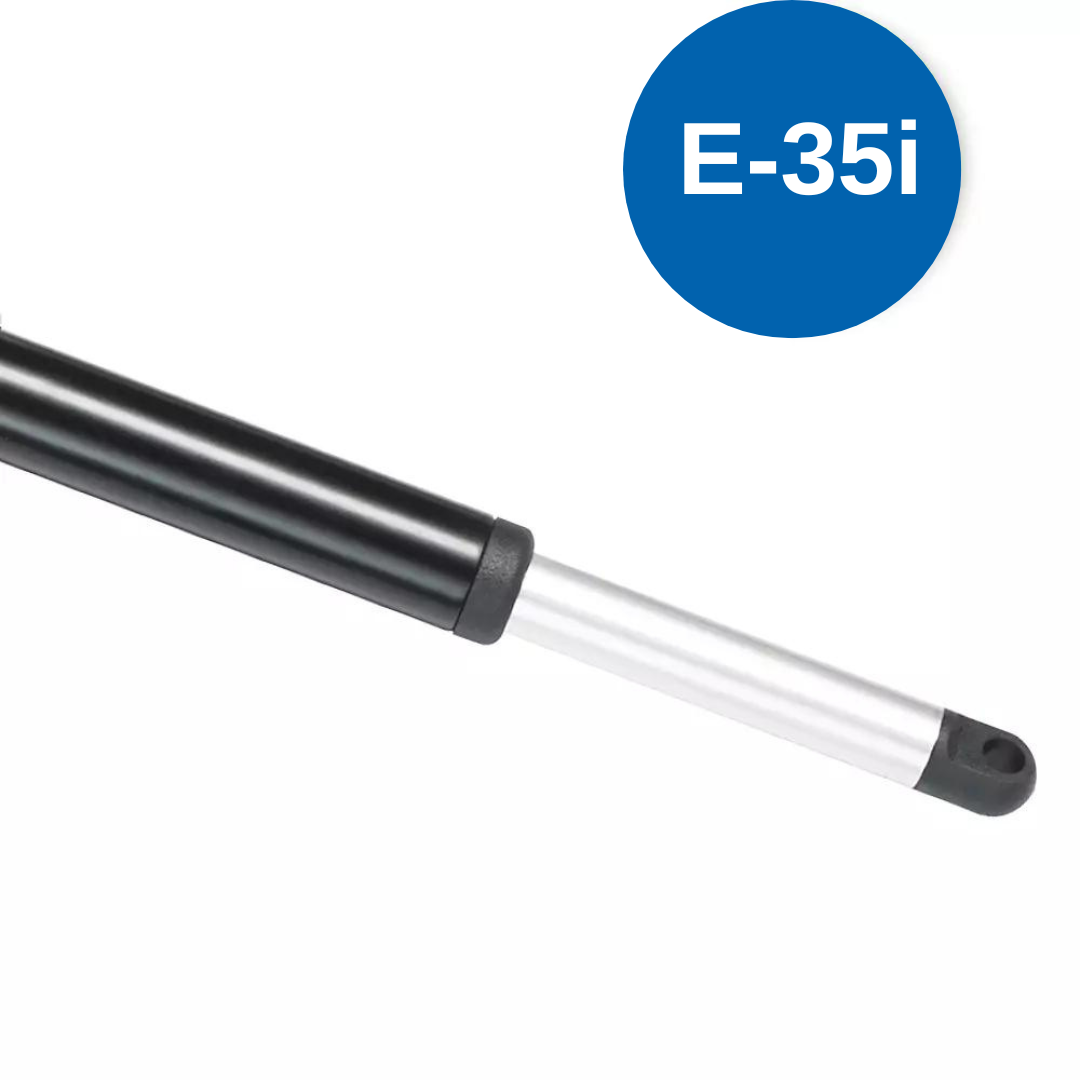
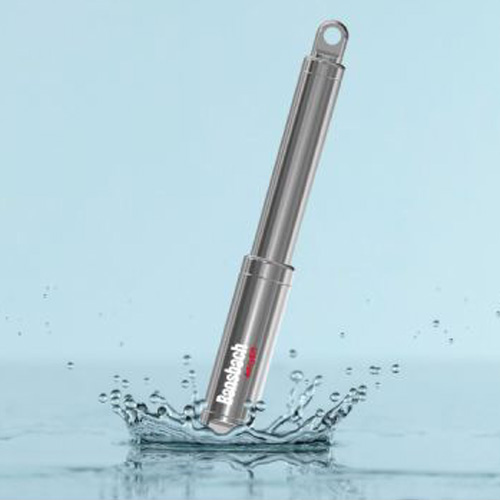
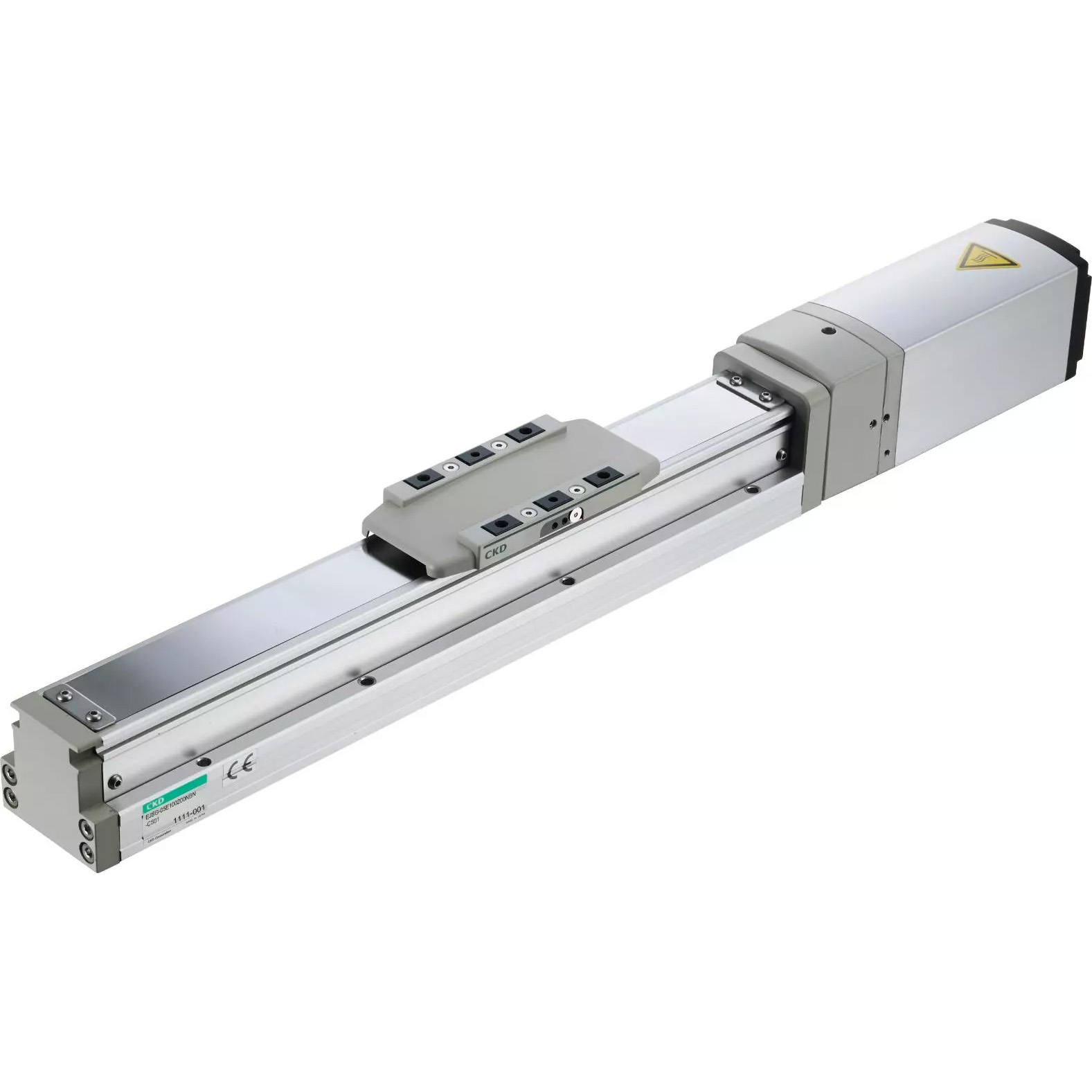
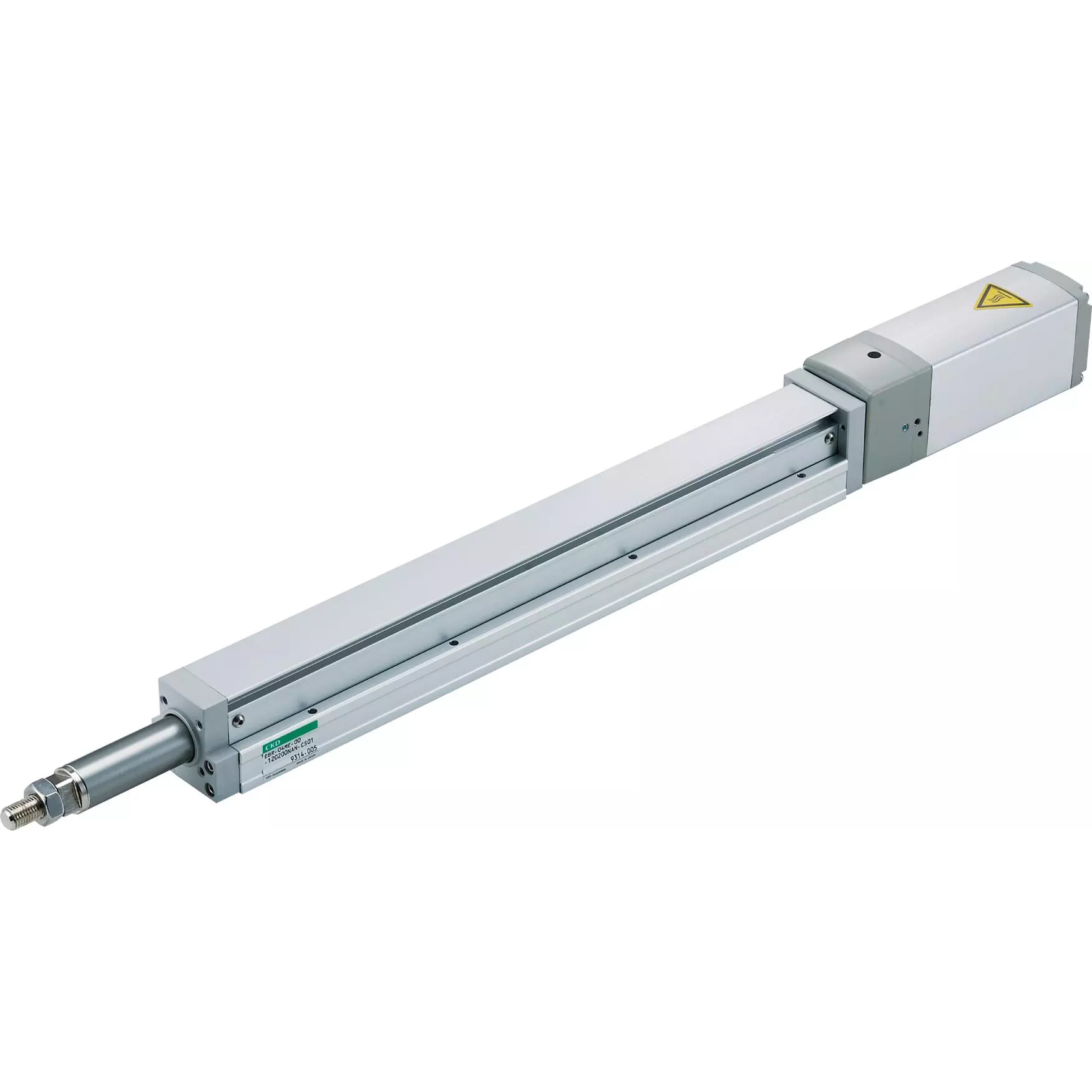
Electric actuators are devices that convert electrical energy into mechanical motion. They are commonly used to move or control a mechanism or system, offering either linear or rotary motion. In simpler terms, if you need to push, pull, lift, or rotate something automatically and precisely, an electric actuator is often your go-to solution.
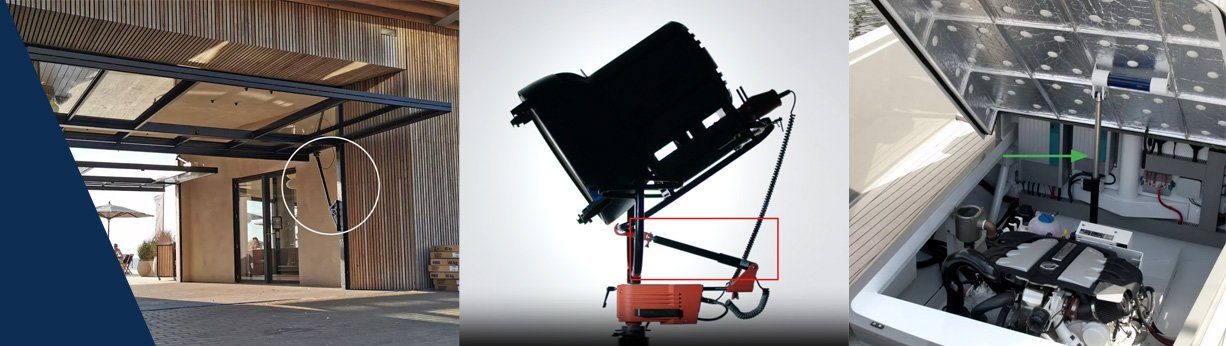
Electric actuators are used in a wide range of applications including:
- Industrial automation and machinery
- Robotics and CNC equipment
- Medical devices
- Renewable energy (solar tracking systems)
- Automotive systems (adjustable seating, throttle control)
- HVAC systems and smart building technologies
How Do Electric Actuators Work?
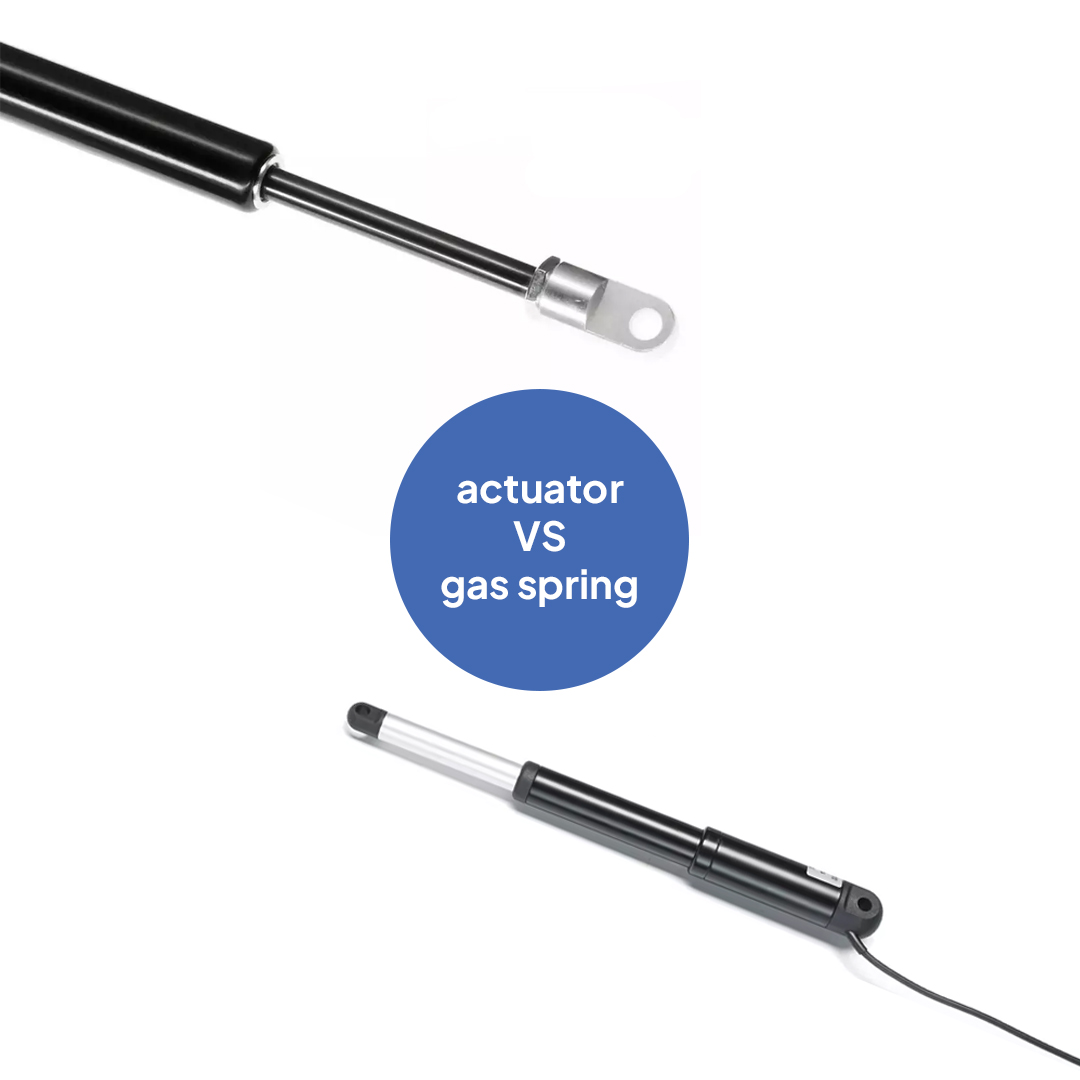
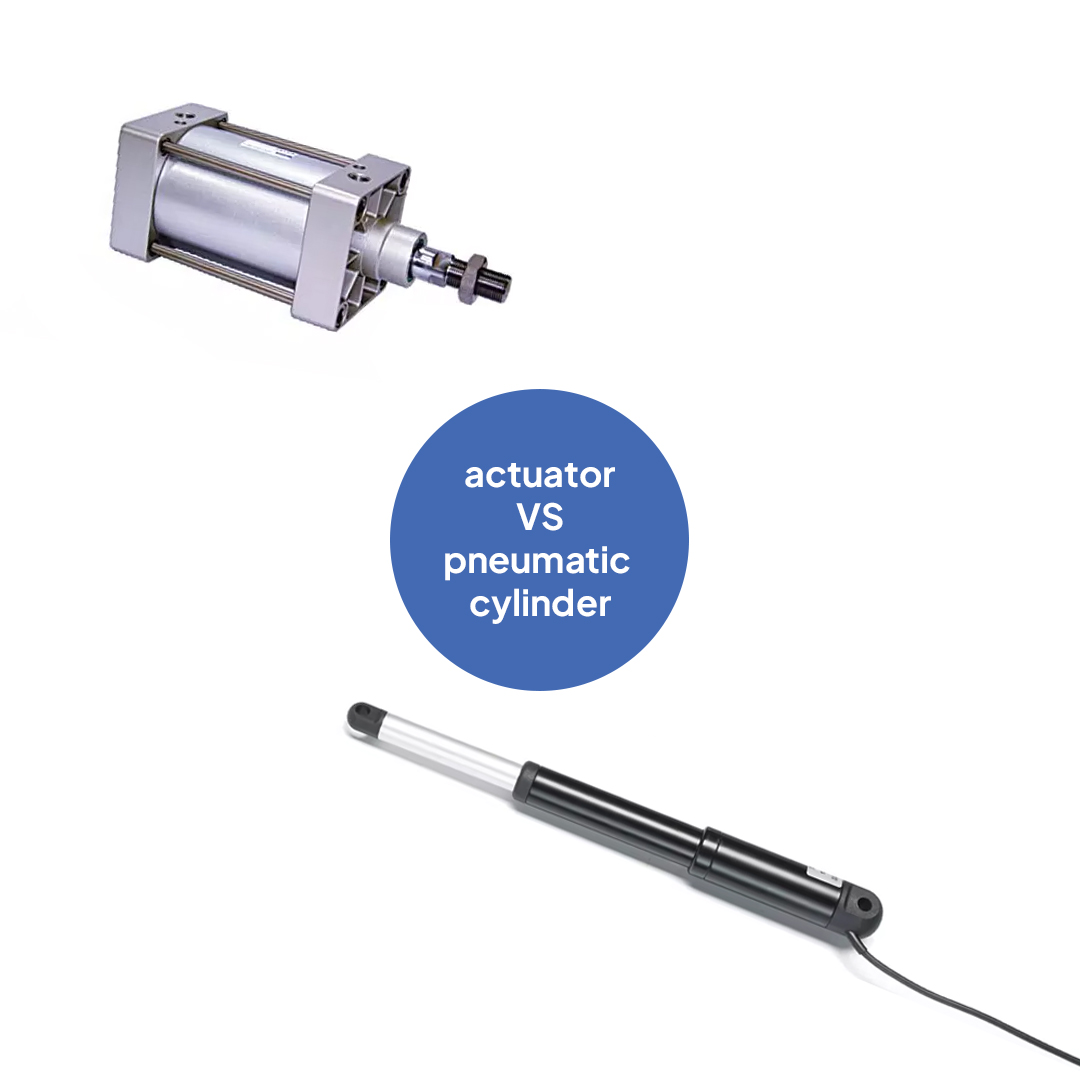
Electric actuators typically use a motor (DC or AC) connected to a lead screw, belt drive or gear system. As the motor rotates, it drives the mechanical system to produce the required motion. Unlike their pneumatic or hydraulic counterparts, electric actuators don’t rely on pressurized air or fluid to function. Instead, they operate through electrical input and often feature integrated control systems that allow for highly precise movement.
Electric vs. Pneumatic and Hydraulic Actuators: Why Electric Wins in Many Applications
While pneumatic and hydraulic actuators have long dominated certain industrial sectors, electric actuators are becoming the preferred choice for many modern applications. Here's why:
1. Precision and Control
Electric actuators offer superior positioning accuracy and repeatability. With advanced control systems like stepper motors and servo drives, you can achieve millimeter or even micron-level precision—something that pneumatic and hydraulic systems struggle with due to compressibility of air and fluid dynamics.
2. Energy Efficiency
Electric actuators consume power only when in motion, unlike pneumatic systems that require a constant air supply, or hydraulic systems that may suffer from leaks and inefficiencies. This makes electric actuators more energy-efficient and cost-effective in the long run.
3. Clean and Environmentally Friendly
Because they don’t require fluids or oils, electric actuators are cleaner and safer for environments that demand strict hygiene standards—like food processing, pharmaceuticals, or clean rooms. There's no risk of leaks contaminating products or surfaces.
4. Lower Maintenance Requirements
Pneumatic and hydraulic systems involve compressors, pumps, valves, and extensive piping—all of which need regular maintenance. Electric actuators have no fluid systems or piping, and besides that have fewer moving parts, which drastically reduces maintenance costs and downtime.
5. Simplified Installation and Integration
With electric actuators, there’s no need to install complex fluid systems or compressors. Most come as plug-and-play units that integrate easily with PLCs or industrial PCs, making setup faster and integration into smart systems more seamless.
6. Scalability and Versatility
Electric actuators come in a wide range of sizes, stroke lengths, and force capacities. From delicate micro-positioning in laboratories to heavy-duty industrial lifting applications, electric solutions can be custom-tailored to specific needs.
Conclusion: Electric Actuators Power the Future
While pneumatic and hydraulic actuators still have their place—especially where extremely high forces or explosion-proof designs are needed—electric actuators are often the smarter choice for modern, data-driven, and energy-conscious industries.
From cleaner operation and energy savings to superior control and easy integration, the advantages of electric actuators make them an essential component in the next generation of automation systems.
Looking to design or upgrade a system with electric actuators? Talk to our experts at [email protected] or call 0252433733 to explore the best solution for your application.
Electric actuators
Read more about our motion products?