

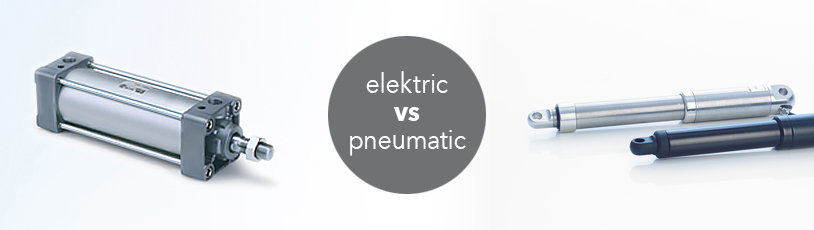
BIBUS engineers are often asked to contribute to solutions concerning complex choices on machine and equipment construction. A common issue relates to the choice between a traditional pneumatic linear actuator or an electric linear actuator. Whereas a pneumatic actuator was originally the standard choice, the decision is now no longer that simple. The technical innovations that manufacturers of electric actuators have introduced in recent years enable the electric variant to be increasingly interesting.
The importance of linear movements
There is a good chance that linear movements play an important role in the function of a machine, regardless of the sector in which it is used. For movements to be made repetitively, it is important that this is done accurate and reliable. It will therefore come as no surprise that the BIBUS range has a large number of solutions for linear movements. Think of (quick ship) gas springs, actuators and hydraulic cylinders, pumps and guide pillars.
This article focuses on the difference between electric linear actuators and pneumatic linear actuators (the choice between a gas spring or actuator was discussed in an earlier article). But when is an electric linear actuator preferable? And when is it more sensible to use a pneumatic one? This article will cover the pros and cons of both solutions. Is your question not answered? Our specialists will be happy to help you, contact us by telephone for direct answers.
Operation of electric linear actuators
Electric linear actuators can be used as an alternative to pneumatic actuators. Both options allow linear push and pull movements. The difference in the movement can be found in the technique that makes the linear movement possible.
Electric linear actuators are driven by an electric motor. This motor enables accurate position determination at various points along the entire stroke. A machine can thus be positioned at different heights / positions within the same stroke. This makes it possible to apply an electric actuator in a more diverse way than a pneumatic one.
In addition, it is quite easy to make interim adjustments to various parameters, without having to change components. This is easily done via the supplied software. It is also possible to get accurate feedback about the position, speed and current, so that the stroke can be optimized. BIBUS is happy to help you configure an actuator.
Operation of pneumatic linear actuators
Compressed air is required in order to operate pneumatic linear actuators. Thanks to this compressed air, pneumatic actuators are able to make relatively fast and powerful movements, independent of any electrical faults. Traditionally, this reliability has been a decisive factor. Nowadays machines have to be faster, more efficient and more flexible. This is where the improved technology of electric actuators can make the difference.
Advantages of electric linear actuators
In practice, an electric linear actuator has several advantages that the pneumatic counterpart does not have. The main advantages of electric linear actuators over pneumatic linear actuators are described below.
1. Easier to maintain
Pneumatic actuators are powered by compressed air. To maintain the supply of compressed air, a compressor with possibly an aggregate is required. In addition, the filters require regular service. The electric counterpart of the pneumatic actuators will be, as the name suggests, fully electrically driven. The electrical systems require less maintenance than the pneumatic counterpart, resulting in less maintenance costs.
2. Low operating costs
Electric linear actuators help reduce operating costs. Although electric actuators are often more expensive to purchase than pneumatic ones, the electric variants recoup this investment in use.
This price difference is possible because of a combination of advantages. For example, the maintenance costs are lower than with the use of pneumatic ones. In addition, the force behind the linear movement of electric actuators is cheaper. Compressed air is a relatively expensive energy carrier.
The combination of simple, economical maintenance and low operating costs means that electric actuators have a lower TCO than pneumatic actuators.
3. Easier installation
Connecting an electric actuator is also much easier. After mounting the actuator itself, only one power cable is needed to get the actuator working. More work is required for pneumatic actuators. Think of valves, air supply, switches and wiring.
Naturally, this also includes the required compressor to provide the required compressed air. Unlike electricity, compressed air will not be standard at every location.
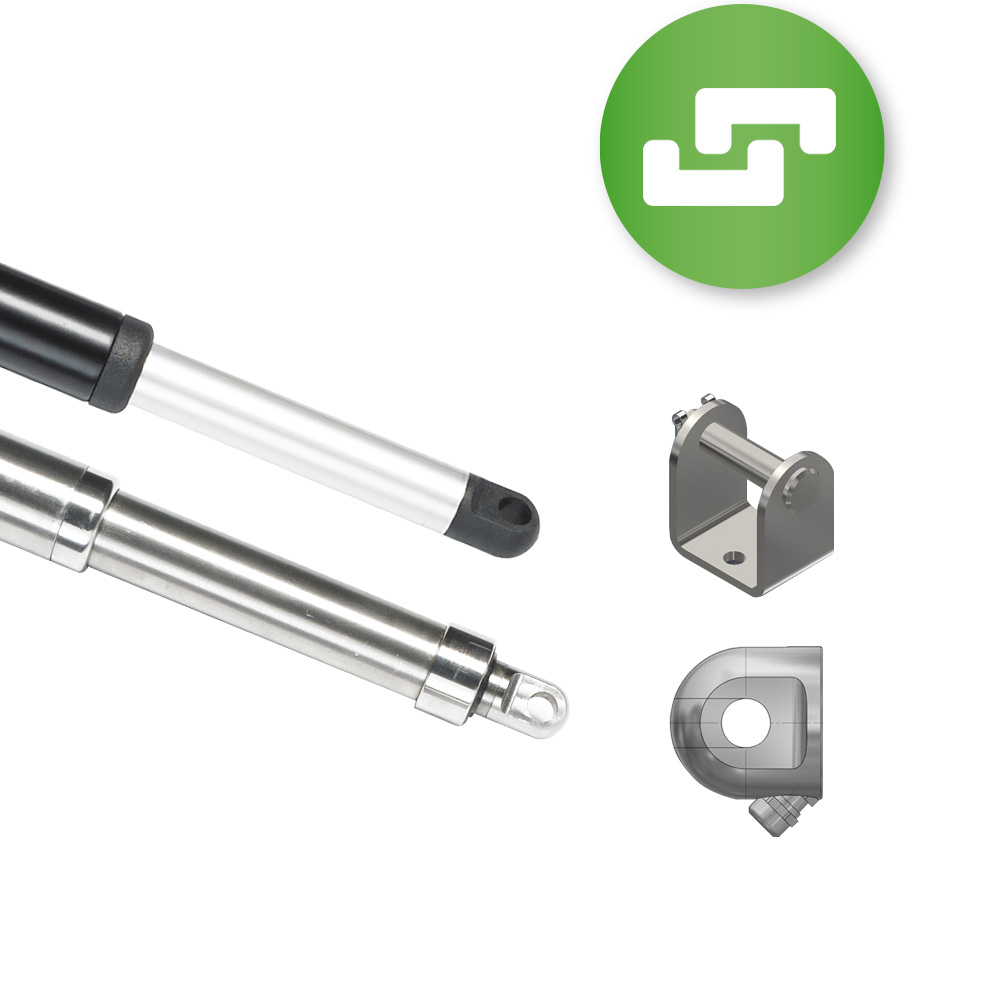
The mounting options for electric actuators are also improved due to the compact size of this variant. As a result, electric actuators can not only be mounted more easily, they can also be installed / placed in more places. On our YouTube channel you will find more information about connecting electric actuators.
4. More configuration options
In addition to the options for mounting an actuator, functionality and flexibility are also important. Electric actuators require less effort to configure. This also goes for interim changes made to the actuator. This process does not involve any hardware switches, it is completely software-based. Therefore the force and speed of the stroke can be determined a lot easier and more accurately. Besides this, the options differ per electric actuator, which makes the possibilities even greater.
5. Quieter and cleaner applications
Height and position adjustment by means of electric actuators has another advantage over pneumatic actuators: noise. Or rather, the lack of sound. The electric actuators from BIBUS are almost inaudible when they are used. This is a substantial advantage compared to the somewhat noisy compressed air compressors, aggregates and the pneumatic actuators themselves.
A final advantage of the electric variant is that the smooth surface of the actuators is easy to clean. This makes (stainless steel) actuators ideal for use in the medical sector, the food industry and the catering industry.
Electric actuators as an alternative to pneumatics
Naturally, these properties differ per machine, actuator and situation. With machines to be newly built, the choice between a pneumatic or electric actuator depends on the application of the machine.
On the other hand, there are existing machines where pneumatic actuators can be replaced by electric variants. In general, if an existing machine has only a few pneumatic actuators, it may be worth replacing with electric actuators.
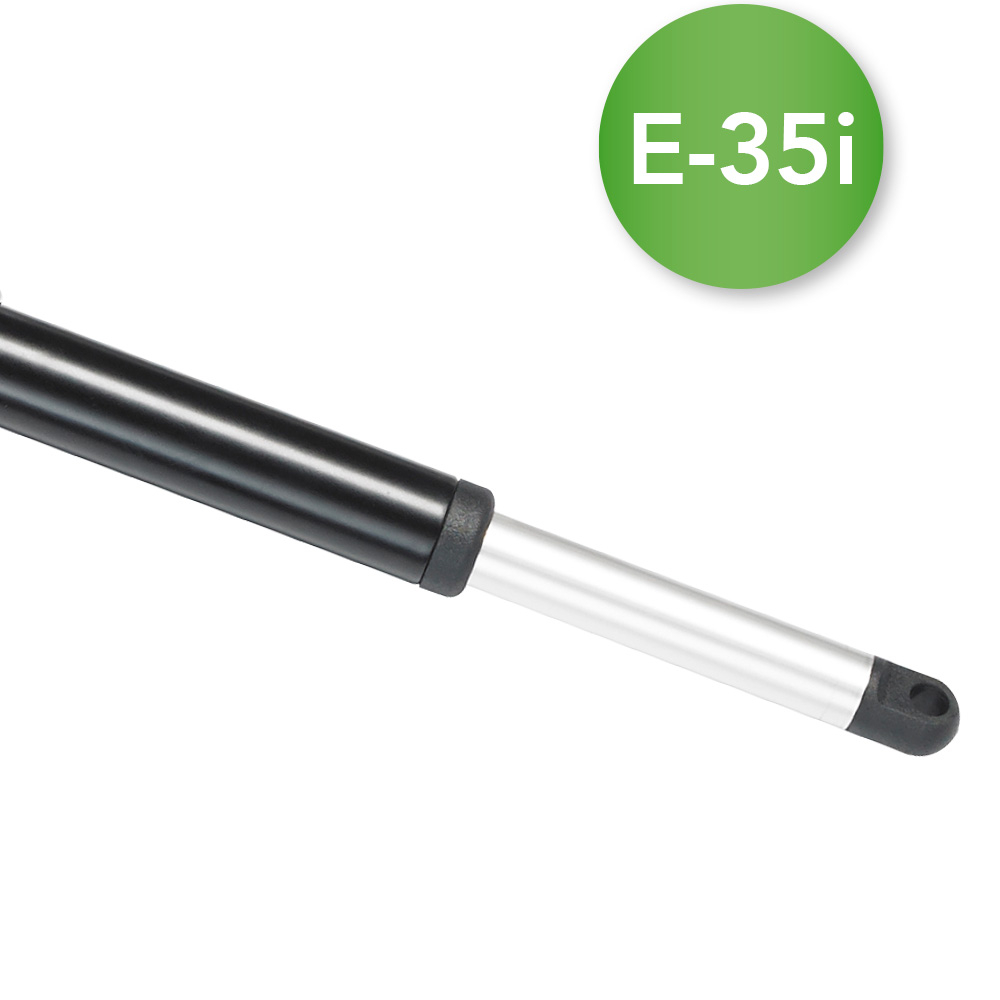
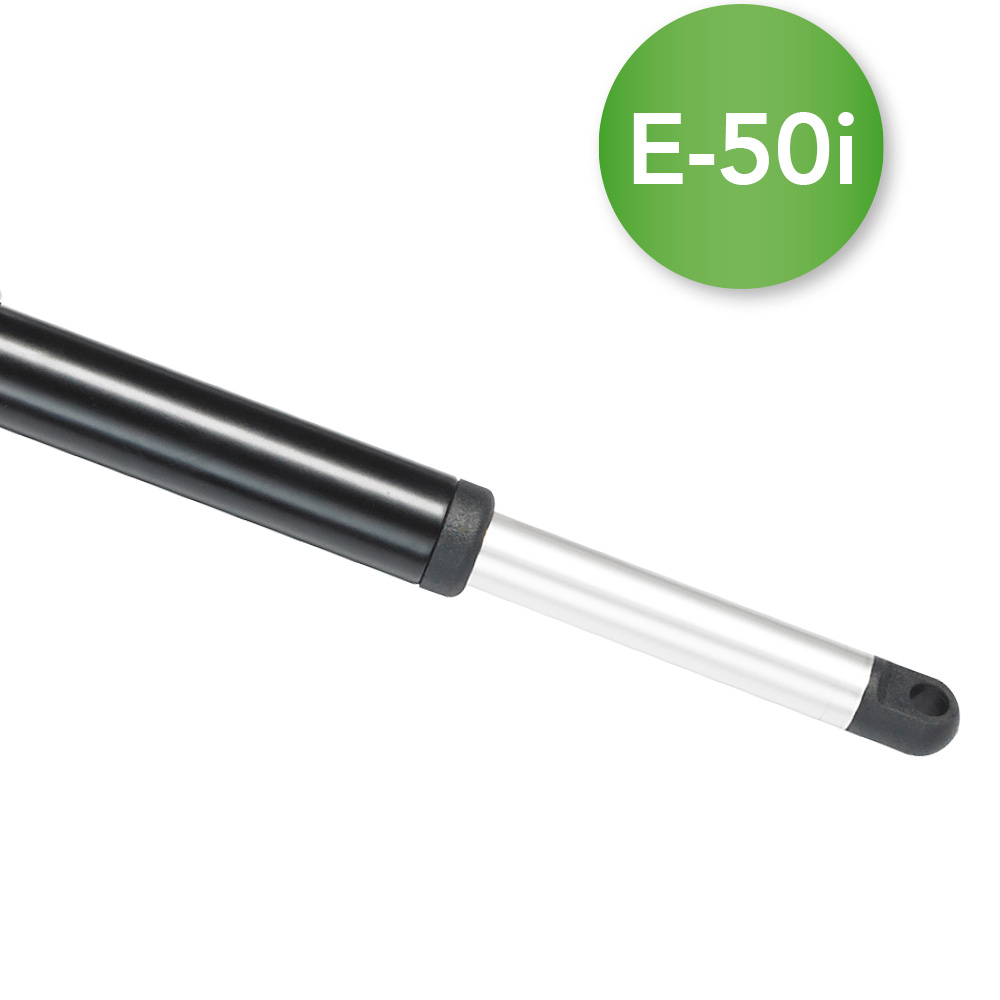
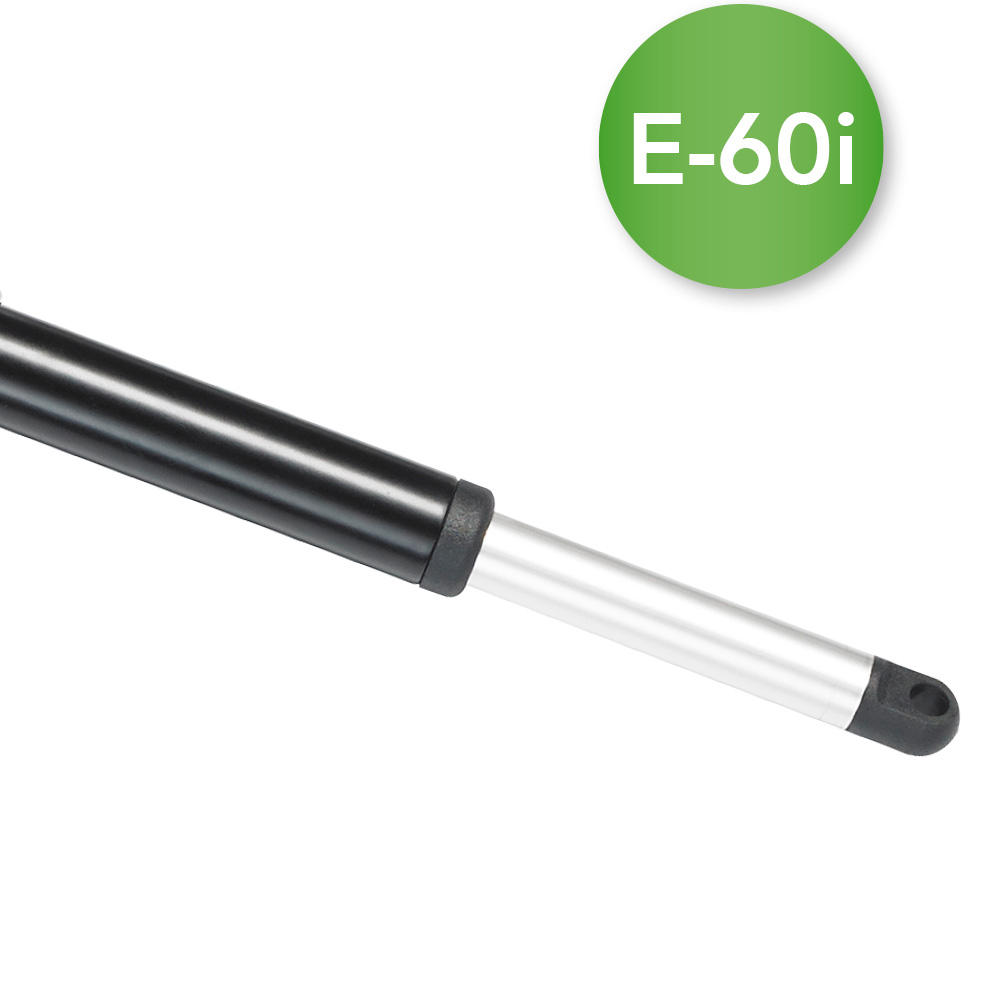
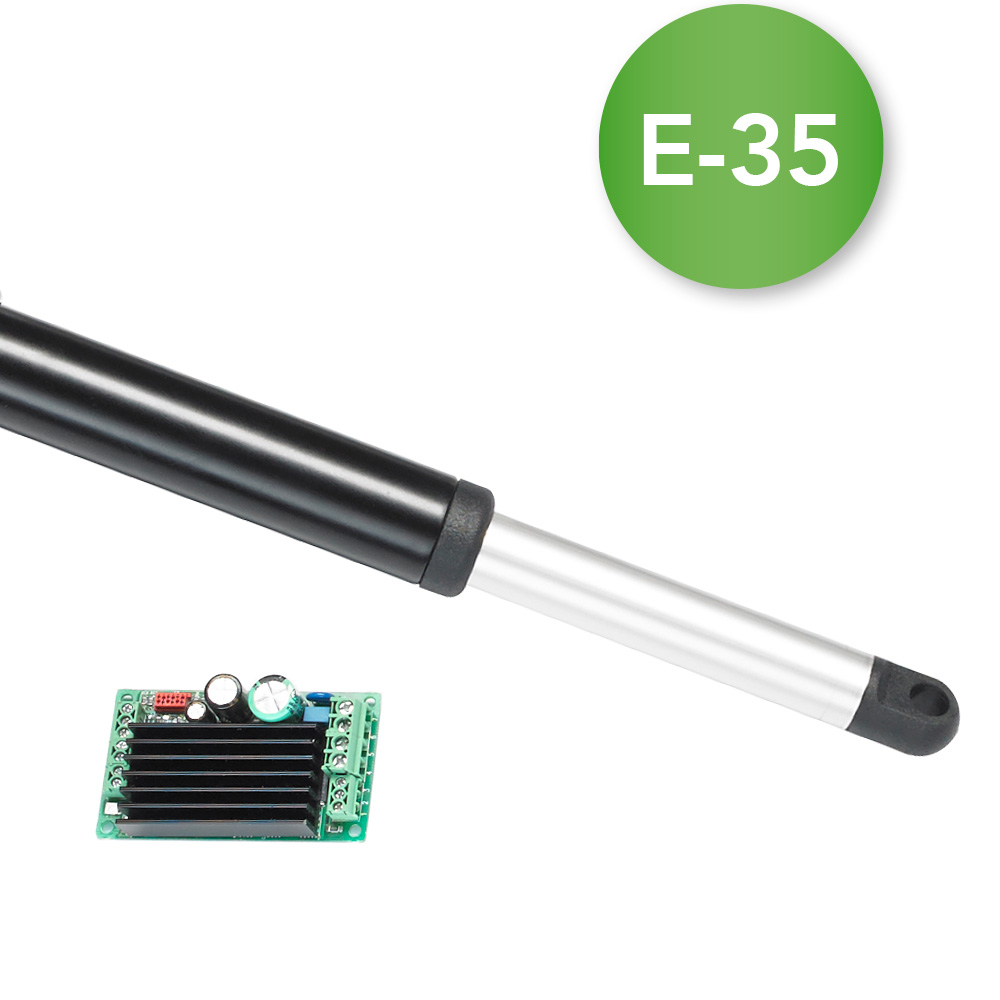
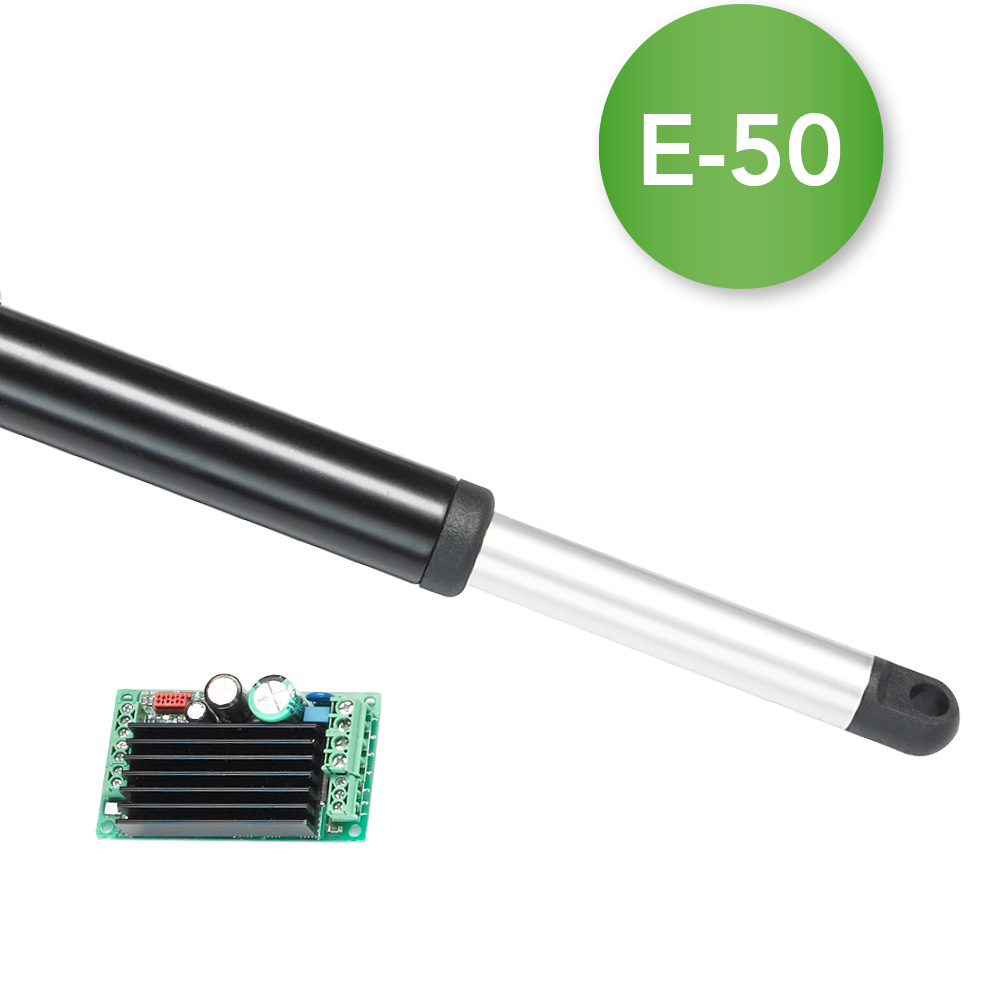
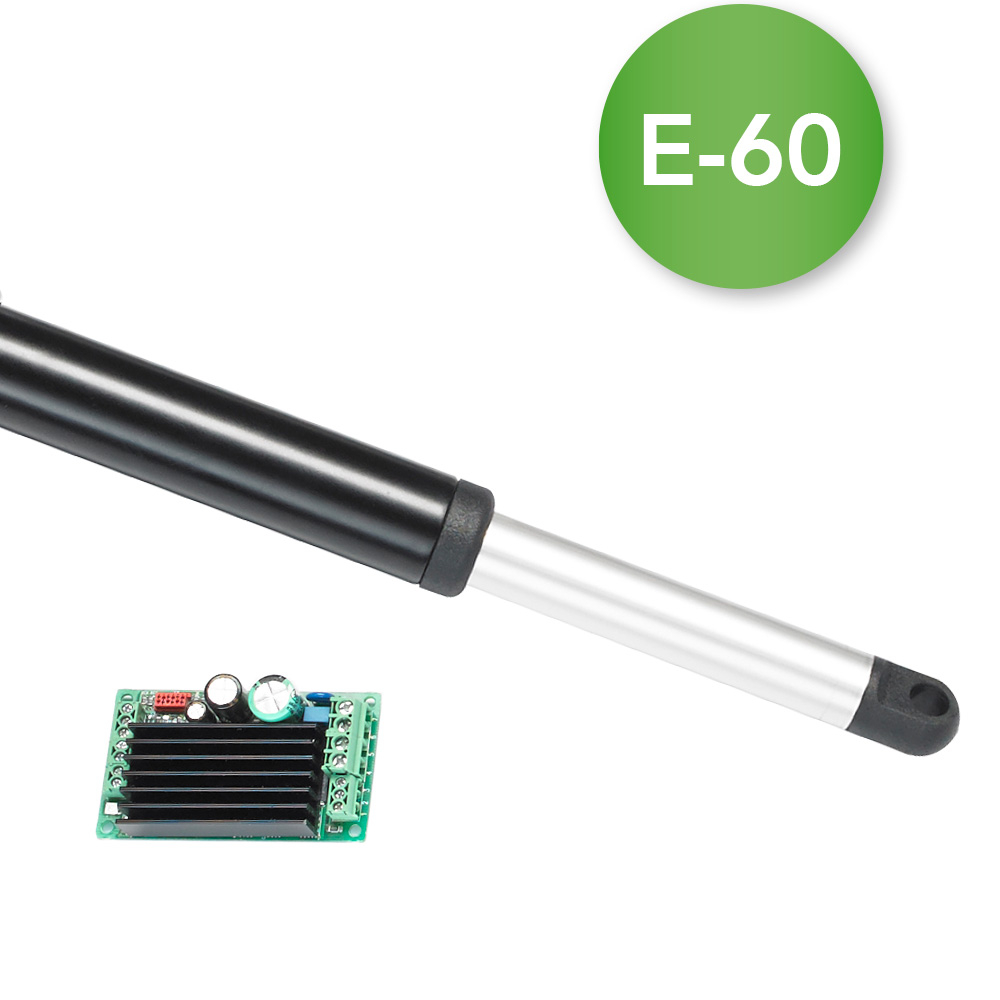
BIBUS has 6 types of linear actuators in its range, divided into two groups. The actuator group with integrated control consists of lines the easyE-i35 (with a constant force up to 2,200 N), the easyE-i50 (up to 4,500 N) and the easyE-i60 (up to 10,000 N). The same lines are also available with external control, the easyE-35, easyE-50 and easyE-60. The stroke can vary from 50 - 750mm (longer on request).
Are you curious whether it is possible to apply electric actuators for your application? Feel free to contact our actuator specialists or put together the desired actuator yourself via the configurator. BIBUS is happy to help you replace pneumatic actuators or design new machines to be built.